


Safety, efficiency and asset integrity guide every decision in oil and gas. Since hydrocarbons are present from wellhead to refinery, a nitrogen generator for oil and gas is a vital utility. Meanwhile, an on-site hydrogen gas plant helps refineries turn heavy crude into cleaner fuels.
Nitrogen is inert, dry and safe, so it is the most widely used utility gas in this sector. It supports drilling, completion, workover and enhanced oil recovery. Before maintenance or start-up, nitrogen purging clears hydrocarbons and oxygen from pipelines, vessels, tanks and LNG carriers. Hydrogen, in turn, is the backbone of modern refining. It removes sulphur, nitrogen and metals, then cracks heavy crude into petrol, diesel and jet fuel.
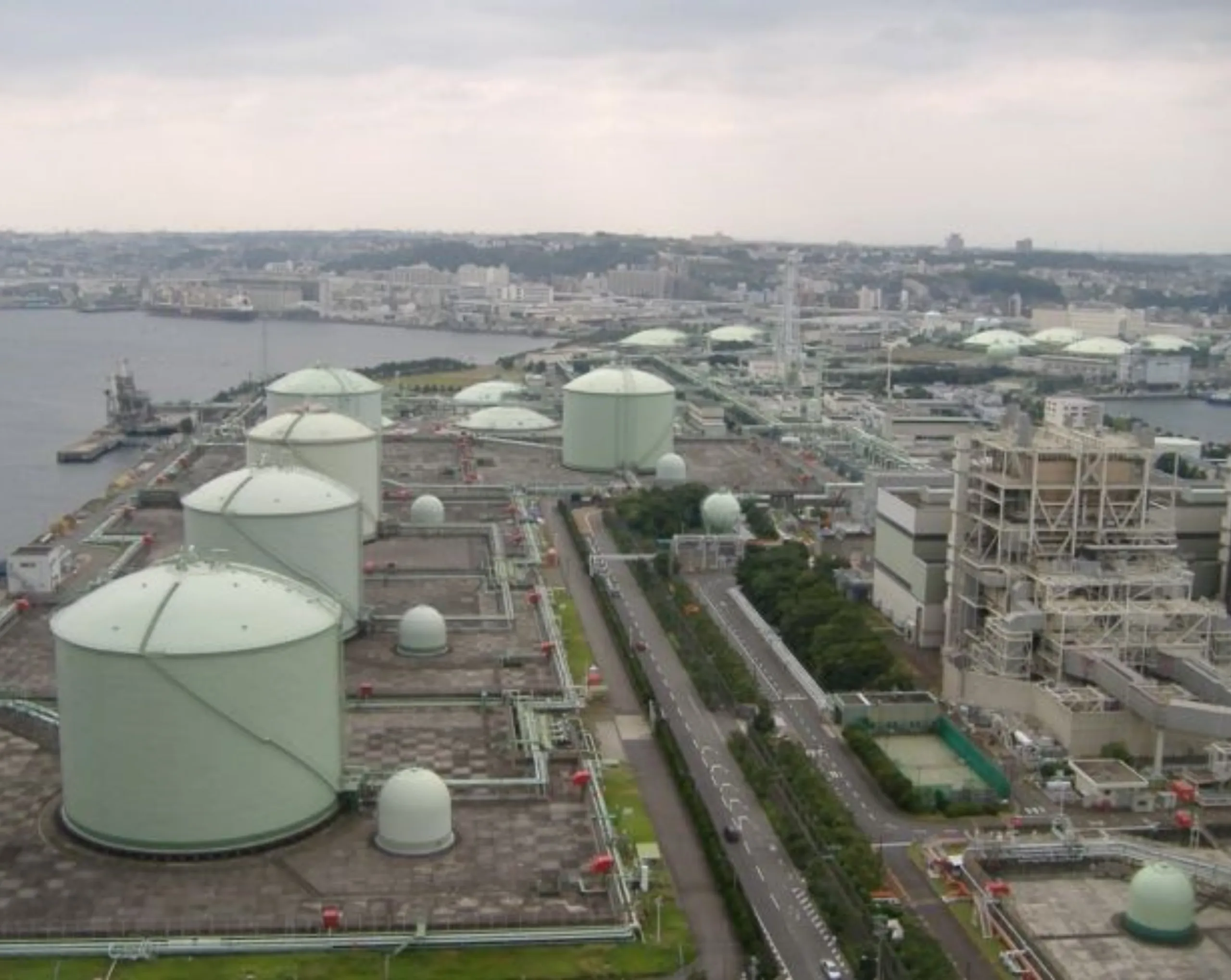
Nitrogen supports well stimulation and underbalanced drilling. It lowers hydrostatic pressure, preventing formation damage, and maintains reservoir pressure for enhanced oil recovery.
Hydrocracking and hydro-desulphurization produce low-sulphur fuels. Hydrogen also upgrades refinery streams, serves as petrochemical feedstock and fuels refinery furnaces cleanly.
Nitrogen dries and inerts pipelines and drives pipeline pigging during commissioning. It also blankets crude and product tanks and FPSOs against explosive hydrocarbon-air mixtures.
Refineries and petrochemical plants use nitrogen for catalyst handling, catalyst regeneration and stripping. Inert blanketing additionally controls VOC emissions from storage tanks.
A nitrogen generator for oil and gas operations removes combustion risk wherever hydrocarbons are handled. As a result, personnel and assets stay protected. Paired with on-site hydrogen, it also helps refineries meet tightening environmental regulations.
From sourcing to delivery, we ensure premium quality and reliability at every step.
Let’s build a strong business relationship together.
Please fill in your details to download our brochure.
