
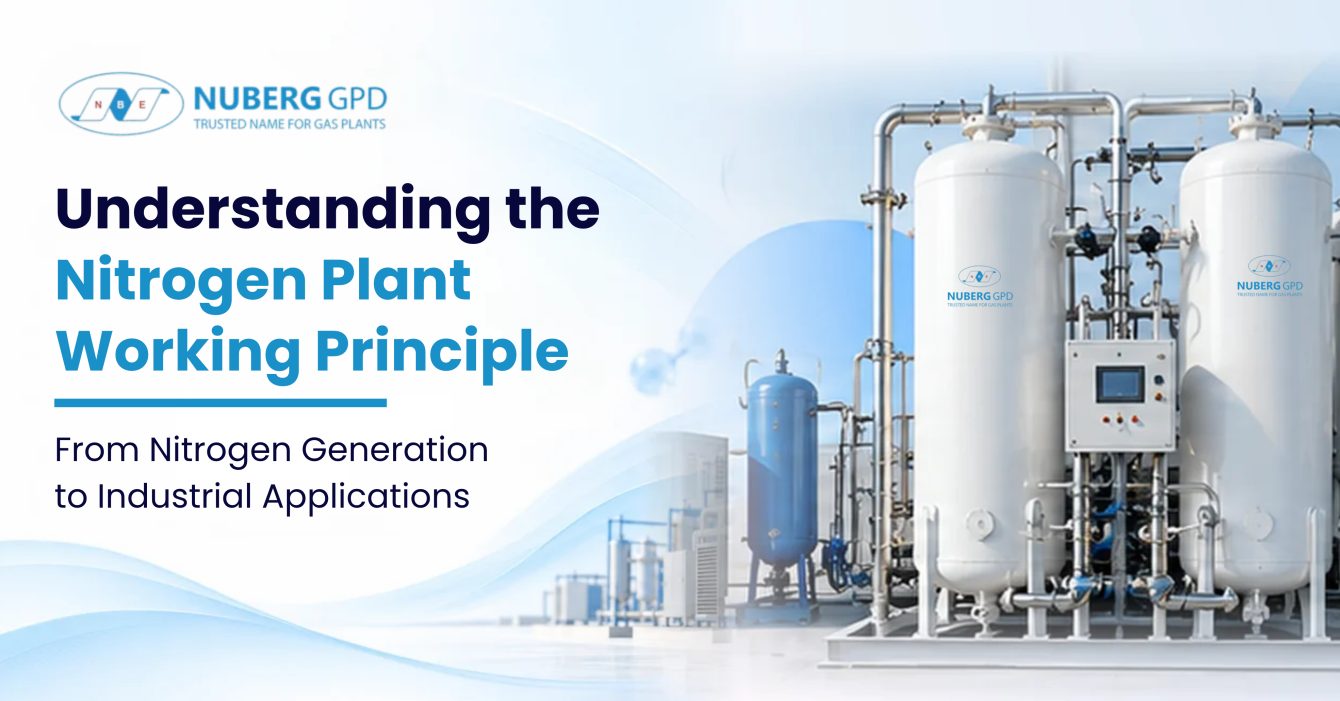
Home / The nitrogen plant working principle is simple at its core. Air already contains about 78% nitrogen, so the plant only has to remove the oxygen, moisture and small traces of other gases. What comes out is a steady supply…
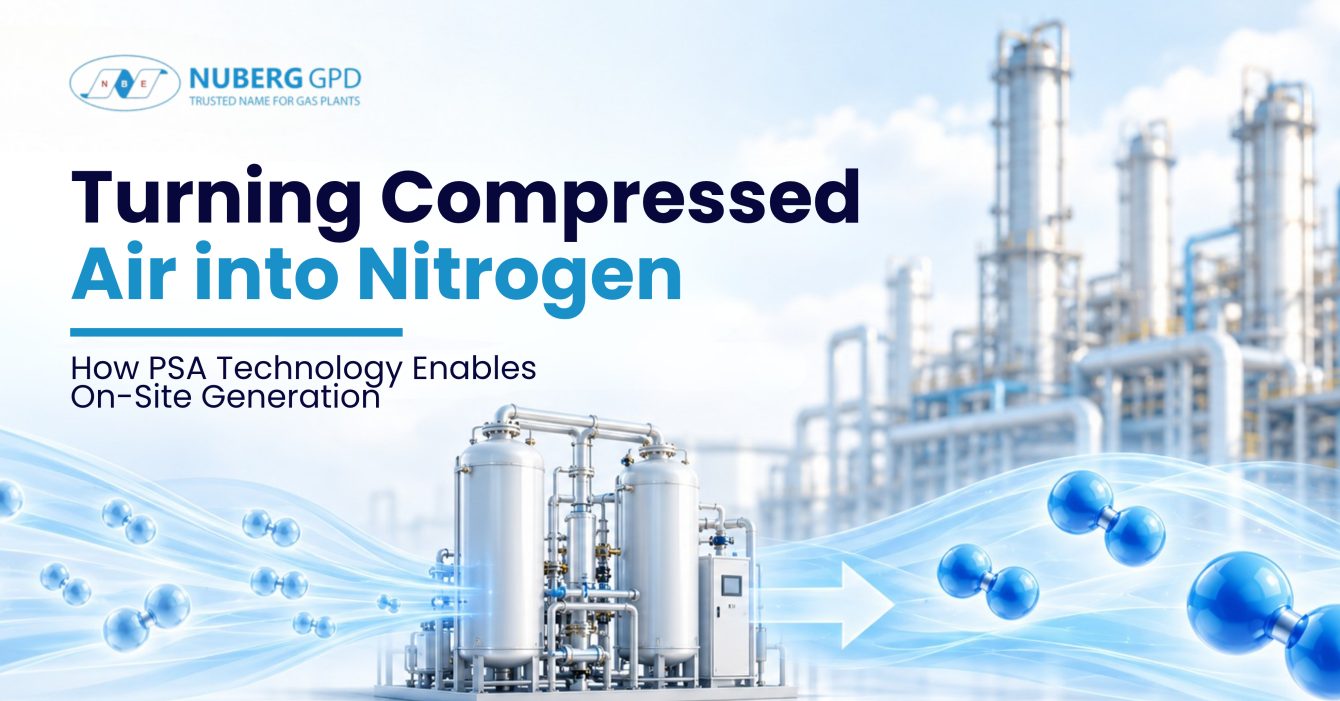
Pressure swing adsorption nitrogen generation: how it works and why it matters
Home / Pressure swing adsorption nitrogen generation: how it works and why it matters Pressure swing adsorption nitrogen generation is the standard way to make nitrogen on-site from compressed air. Most factories that use nitrogen every day now make it this…
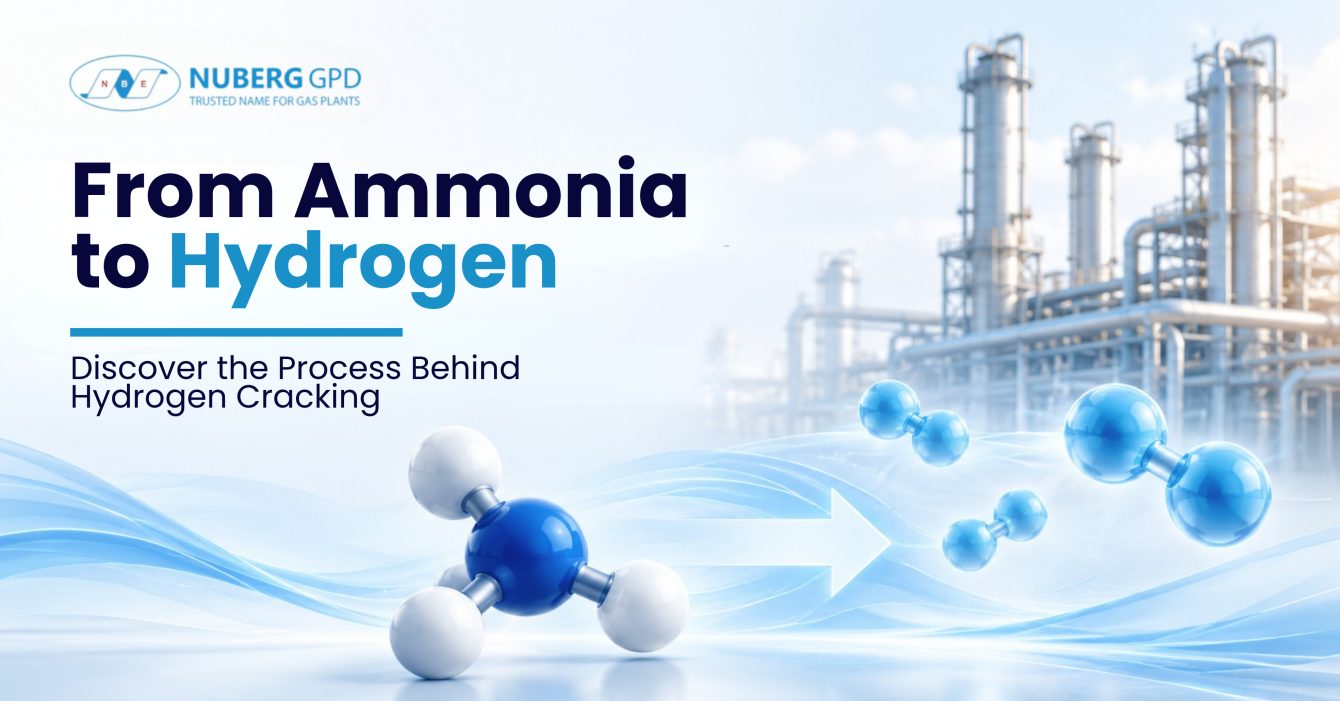
What is a hydrogen cracker? Working principle, uses, and benefits
Home / What is a hydrogen cracker? Working principle, uses, and benefits A hydrogen cracker is a unit that splits ammonia into a hydrogen-rich gas, right at the factory that needs it. Bright annealing lines and brazing furnaces use this gas…
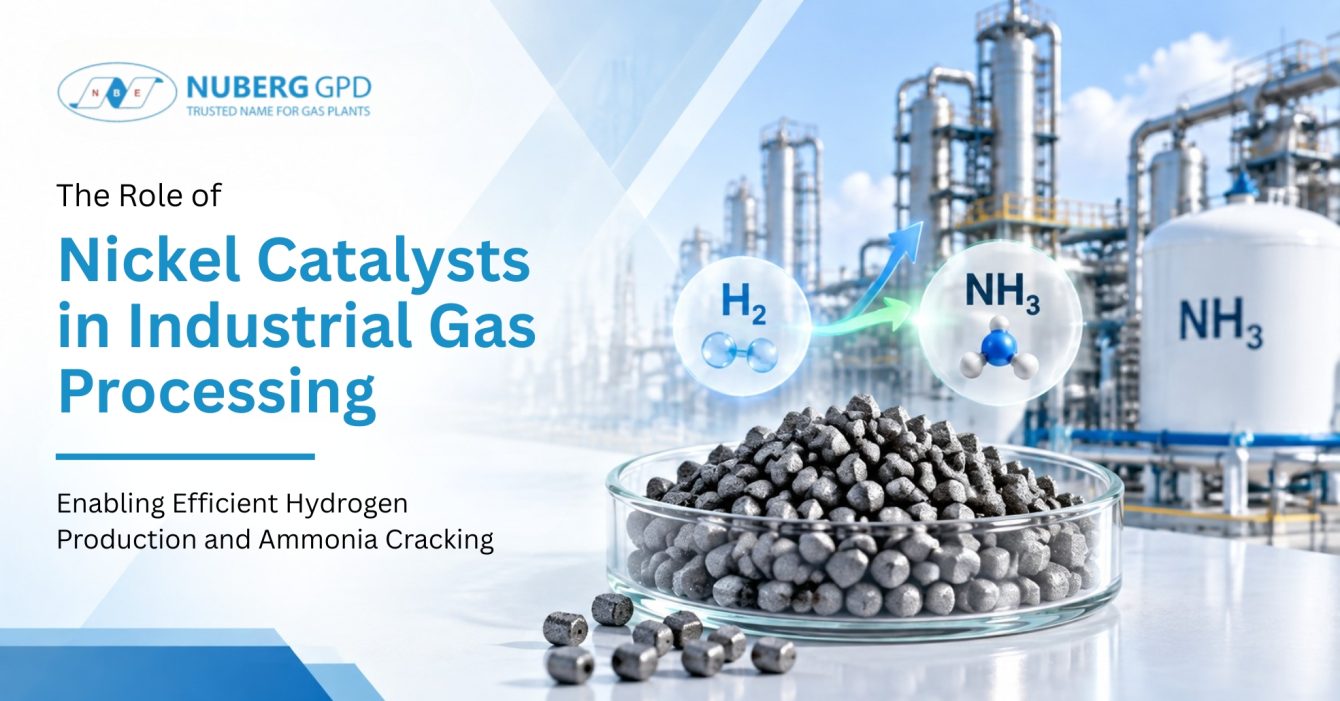
What is Nickel Catalyst and Its Role in Industrial Gas Processes
Home / Industrial chemical processes use catalysts as silent motors that initiate and accelerate desired physicochemical reactions. In particular, a nickel catalyst is considered one of the most versatile and cost-effective solutions for gas processing in large-scale production facilities. It is…
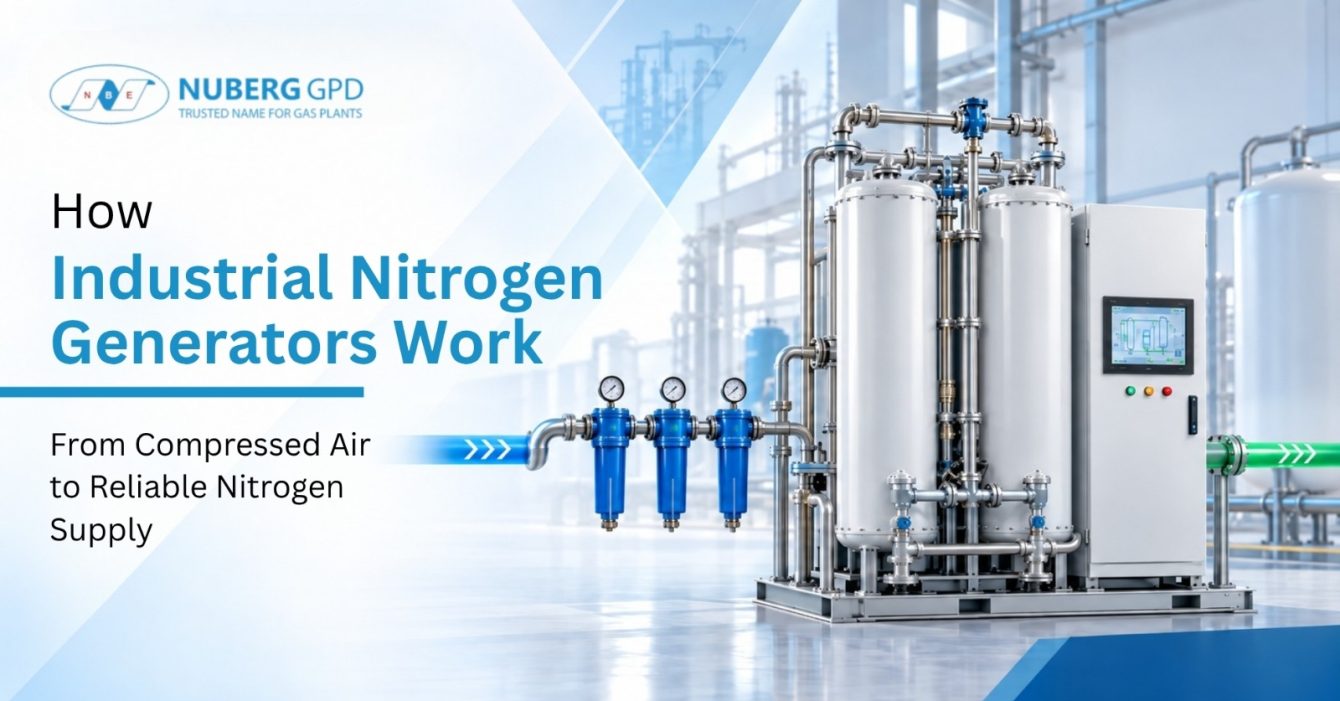
How Nitrogen Generators Work in Industrial Applications
Home / Nitrogen gas plays a critical role in modern industrial manufacturing and is widely used for inerting, purging, blanketing, and preventing oxidation. Historically, facilities sourced cylinders of high-pressure nitrogen gas delivered on-site. However, with rising cylinder rental costs, gas boil-off…
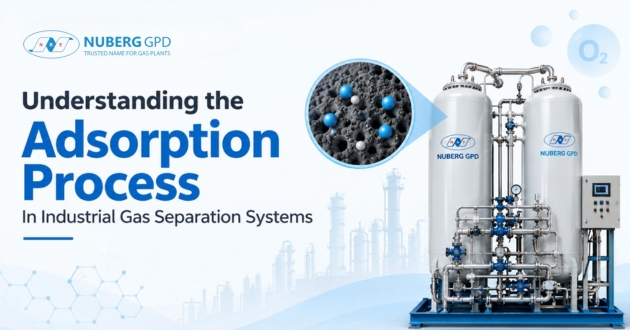
Understanding the Adsorption Process in Industrial Gas Separation Systems
Home / Industrial gases often need separation, purification or drying before use. The adsorption process handles this because selected molecules attach to porous solid surfaces. In industrial gas separation, adsorption separates oxygen and nitrogen, removes moisture and purifies gas streams. That’s…
